
Who is liable when a junk removal crew damages your property
By Nadia Ferraro · Updated 2026-07-04
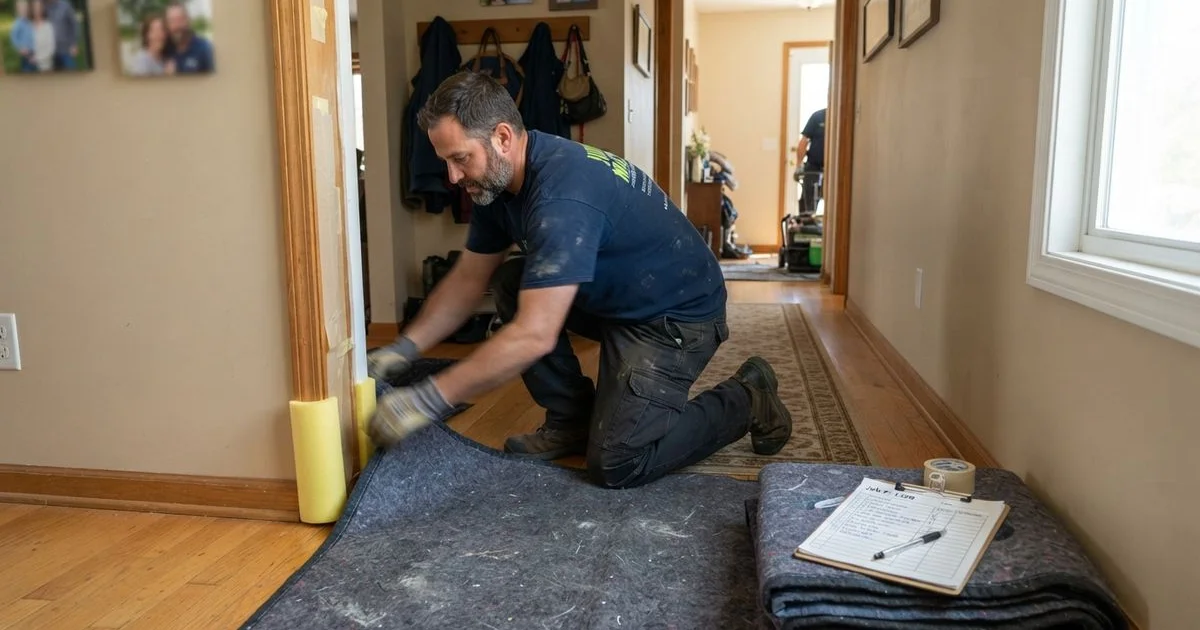
Most junk removal jobs on Oahu wrap up without incident, but moving heavy furniture and appliances through tight hallways, stairwells, and narrow driveways carries real risk of an accidental scuff, dent, or worse. Knowing how liability generally works before something happens puts you in a much stronger position if it does.
This guide covers general information, not legal advice. For a dispute involving real money or a serious injury, talk to a licensed attorney or your insurance provider directly.
What reputable companies typically carry
There is no single Hawaii statute mandating insurance specifically for junk removal businesses, but established companies generally carry general liability insurance that covers accidental property damage during a job. It is reasonable, and increasingly common, to ask a provider directly whether they carry this coverage before you book, particularly for a large job or one involving a home you are especially careful about. For the broader regulatory picture, the guide to junk removal laws and permits in Hawaii covers what else homeowners should know before hiring.
A company that answers this question clearly and without hesitation is a good sign. One that deflects or cannot say either way is worth a second thought, especially if the job involves navigating stairs, narrow hallways, or anything fragile nearby.
If damage happens during the job
The single most useful thing you can do is document it immediately. Photograph the damage before it is touched, moved, or cleaned, and point it out to the crew before they leave the property. A scuffed wall or a cracked tile is much easier to resolve on the spot than after the crew has driven away and the conversation shifts to “he said, she said.”
Ask how the company wants to handle it: some will offer to cover repair costs directly, others will direct you to file through their insurance, and some smaller operations may simply negotiate an adjustment to the bill. Get whatever is agreed to in writing, even a text message confirming the plan, so there is a record if the resolution stalls.
What terms you might have already agreed to
Some companies include liability language in a text confirmation, a work order, or an emailed estimate, even for jobs that feel informal. This might address things like what counts as pre-existing damage, how disputes are handled, or a cap on liability for high-value items. It is worth actually reading whatever you are asked to confirm, rather than treating a text-based booking as something with no terms attached.
Your options if a company will not take responsibility
| Situation | Reasonable next step |
|---|---|
| Company acknowledges damage but is slow to respond | Follow up in writing, referencing your documentation and photos |
| Company disputes that damage occurred | Rely on your photos and any witness account from the day |
| Damage is significant and the company refuses to help | File a claim with your homeowner’s or renter’s insurance |
| You already paid and the company is unresponsive | Dispute the charge with your bank or card issuer |
| The dispute involves a meaningful dollar amount | Hawaii’s small claims court handles disputes up to a set limit without needing an attorney |
Reducing the risk before it starts
Point out anything fragile or recently renovated near the path the crew will be using, whether that is a freshly painted hallway or a delicate light fixture near a doorway. Clear a wide path where you can, and ask the crew directly how they plan to protect floors or walls during a tricky move, like a large appliance down a narrow stairwell. A crew that takes this kind of question seriously, rather than brushing it off, tends to be more careful once the work actually starts.
What renters should know specifically
If you are renting rather than a homeowner, damage during a junk removal job can complicate your relationship with a landlord, particularly around a security deposit. Document any damage the same way you would as an owner, with photos taken immediately, but also notify your landlord or property manager promptly rather than waiting until move-out inspection, since a delay can make it harder to prove the damage happened during the job rather than at some other point.
Renters are also within their rights to ask a junk removal crew to work carefully around fixtures or finishes they did not choose and cannot easily replace, since the cost of repair may ultimately land on the tenant rather than the property owner depending on the lease terms.
For more on how we weigh care and professionalism when scoring listed providers, see our methodology, or visit the home page to compare categories across Oahu.
FAQ
- Are junk removal companies required to carry insurance in Hawaii?
- There is no single statewide requirement specific to junk hauling, but reputable companies carry general liability insurance to cover accidental damage, and many will confirm this if you ask directly before booking.
- What should I do immediately if a crew damages something?
- Take photos of the damage before anything is cleaned up or moved, and point it out to the crew before they leave. Documenting it on the spot is far stronger than raising it after the fact.
- Does it matter if I signed anything before the job started?
- It can. Some companies include liability language in a text confirmation or work order. Read whatever you are asked to agree to, even informally, since it may affect how a damage claim gets handled.
- What if the company refuses to take responsibility?
- You can typically file a claim with your homeowner's or renter's insurance, dispute the charge with your payment provider if you already paid, or, for larger disputes, pursue it through small claims court in Hawaii.