
Emergency junk removal after a storm in Oahu: what to do first
By Nadia Ferraro · Updated 2026-07-11
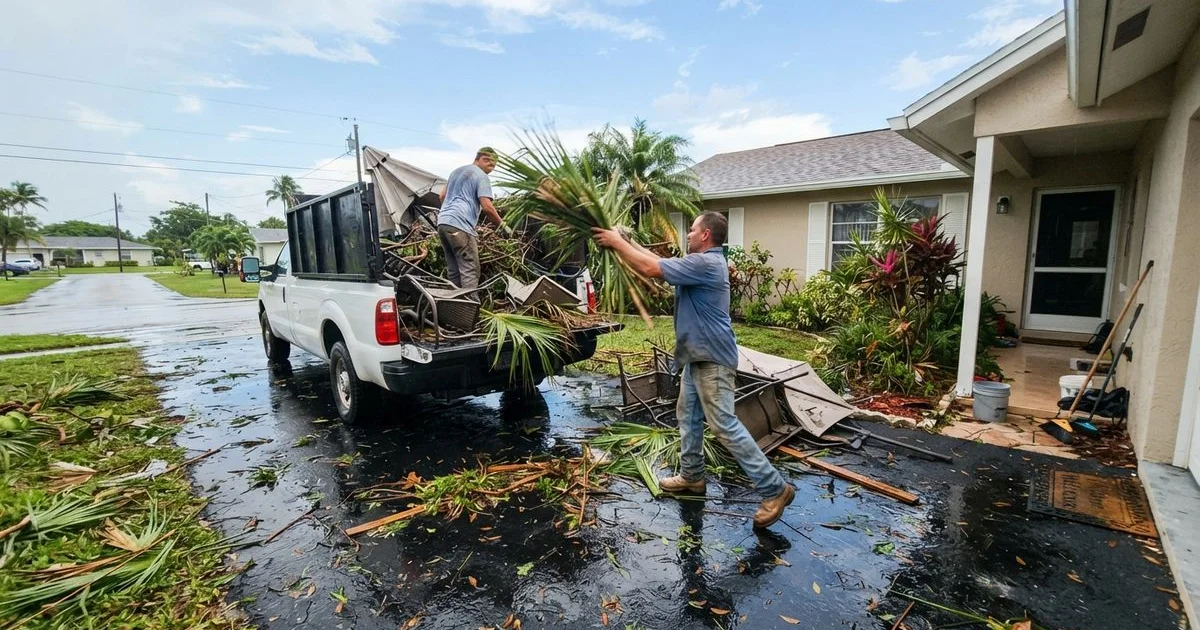
Storms move through Oahu fast, and the aftermath, downed branches, a fallen tree, debris scattered across a yard or driveway, often needs to be dealt with quickly, especially if it is blocking access or creating a hazard. Here is what actually matters in the first day, and what to expect once a crew arrives.
First priority: safety, not cleanup
Before anything else, check for immediate hazards: downed power lines, a tree leaning against a structure, or debris blocking an exit path. None of that is a junk removal job, it needs the utility company or a structural professional first. Once the site is confirmed safe, general debris clearing becomes the next step.
Document before you clear
If there is any chance you will file an insurance claim, photograph the damage before anything gets hauled away: the fallen tree or branch, any property damage it caused, and the general state of the yard or driveway. Insurers typically want this kind of documentation, and it is much harder to recreate after debris has already been removed.
What emergency scheduling actually looks like
Same-day and emergency junk removal crews on Oahu are generally set up to respond fast, often within the same day or by the next morning, but demand spikes hard right after a significant storm since many households call within the same window. If your situation is urgent but not a true emergency, next-day scheduling is often more realistic than same-day once a storm has passed through the whole island.
Be upfront when you call about what the debris actually involves: branches and yard waste are a straightforward pickup, but a fully downed tree, especially one resting against a fence, roof, or power line, may need a tree removal specialist rather than a general junk hauler.
What to expect in terms of cost
Storm debris removal often costs somewhat more than a standard pickup, partly because emergency or same-day scheduling typically carries its own premium, and partly because heavy branches or a fallen tree take more labor and sometimes specialized equipment to clear safely. Get a quote before the crew starts if at all possible, even in an urgent situation, so the cost is not a surprise afterward.
A quick priority checklist
| Priority | Action |
|---|---|
| 1. Safety hazards | Downed lines, leaning trees near structures, blocked exits, address first |
| 2. Documentation | Photograph damage before debris is cleared, especially for insurance |
| 3. Sort the job type | General yard debris versus a fallen tree needing specialist removal |
| 4. Get a quote | Confirm price before work starts, even under time pressure |
| 5. Schedule realistically | Same-day if truly urgent, next-day if demand is high after a storm |
If the damage affects a structure
A tree resting against a roof, fence, or wall is a different situation than yard debris. That usually needs a structural assessment, sometimes from a contractor or your insurance adjuster, before any removal happens, since moving the tree without stabilizing the situation first can make damage worse. General junk removal crews can typically help once that assessment is done and the debris is cleared for standard removal.
After the immediate cleanup
Once the urgent debris is handled, it is worth doing a broader check of your property for anything the storm loosened or damaged that was not obvious right away, fencing, gutters, or outdoor storage. A follow-up pickup for anything missed in the initial rush is common and usually easy to schedule once the immediate pressure is off. Damaged metal fencing or gutters can sometimes be worth scrapping rather than just hauling off; the guide to scrapping appliances, metal, and cars covers what tends to have scrap value on Oahu.
Working with insurance on the timeline
If you plan to file a claim, ask your insurer how long you have to document damage before cleanup needs to happen, especially if debris is blocking a driveway or entrance you need clear right away. In many cases, an adjuster can work from photos and does not need to see the debris in person, which means you do not have to leave a hazard sitting in your yard for days waiting on an appointment. Confirm this directly rather than assuming, since policies and adjusters vary.
Keep any receipts or invoices from emergency debris removal, since these are sometimes reimbursable under a homeowner’s policy depending on your coverage and the cause of the damage. A junk removal provider that itemizes their invoice clearly makes this step easier when it comes time to file.
For more on how we evaluate response time and reliability for urgent jobs, see our methodology, or visit the home page to browse other categories this directory covers.
FAQ
- How fast can I get emergency junk removal after a storm on Oahu?
- Same-day or next-day service is common for storm debris, especially fallen branches or tree limbs, though availability tightens quickly right after a significant storm since many households call at once.
- Should I take photos before debris is removed?
- Yes, especially if any of the damage might be covered by insurance. Photograph fallen trees, damaged fencing, or debris against your property before a crew removes it, since insurers typically want documentation of the original damage.
- Does storm debris cost more to remove than regular junk?
- Often somewhat more, since same-day or emergency scheduling usually carries a premium over standard booking, and downed trees or heavy branches take more labor and equipment than typical household junk.
- What if a tree fell on a structure, not just the yard?
- That is a different job. Structural damage from a fallen tree usually needs a contractor or tree removal specialist assessment before general debris removal happens, since safety and insurance considerations come first.